Kitchen-Table Craft School: Everything I Know About Storytelling, I First Heard Over Chai
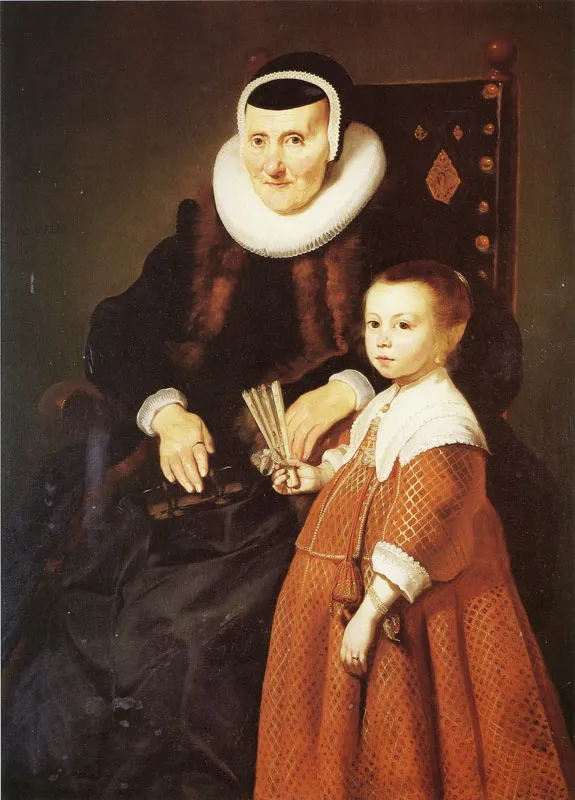
Photo: Jacob Adriaensz Backer, Public domain, via Wikimedia Commons
My grandmother had, by my count, six stories. She told them at the kitchen table, over chai, to whoever was sitting still long enough — and she told them differently every single time.
For years I thought this was just how grandmothers worked. It wasn't until I started writing seriously that I realized I'd been enrolled in a masterclass the whole time. No syllabus, no tuition, just a woman in a housecoat who understood narrative structure better than most textbooks I've since read.
Lesson One: Every Audience Gets Its Own Version
The story of how my grandfather proposed was, depending on the listener, either a comedy, a romance, or a cautionary tale about stubbornness. To my uncle, it was a roast. To my mother, a eulogy. To me, at age eight, it was basically a heist movie.
She read the room before she read the story. This is the most fundamental skill in storytelling and the one I still work hardest at: the story doesn't belong to the teller. It belongs to whoever's listening tonight. When I write, I try to ask her question first — who's at the table right now, and what do they need from me?
Lesson Two: Withholding Is a Kind of Generosity
She never gave you the ending early. If you asked what happened to the neighbor's runaway goat, you got a look, a refill of chai, and a detour through three unrelated anecdotes. It was maddening. It was also why nobody ever left the table.
I think about this constantly when I'm structuring an essay or a script. The instinct is to deliver — to explain, to resolve, to hand everything over. But tension lives in the gap between wanting and getting. My grandmother understood that a well-timed delay isn't cruelty; it's the thing that makes the payoff taste like anything at all.
Lesson Three: The Details Change; the Bones Don't
Here's what fascinated me as a kid: the six stories were always recognizably themselves, but no two tellings matched. The year of the flood shifted. A cousin gained a personality. One version of the proposal story had a monsoon; another had a power outage. Nobody ever corrected her. The details were negotiable; the shape of the story was not.
This is, I'd argue, the entire secret of voice. Structure is the skeleton — the fixed thing you can trust. Style is the flesh, and it's allowed to change with the weather. When I get stuck on a draft now, I check the bones first: is the shape right? Then I let the details breathe, because the details were never the sacred part.
Lesson Four: Repetition Is How a Story Stays Alive
American culture — the culture I write for and live in — is obsessed with novelty. New shows, new IP, new everything. Meanwhile, my grandmother told the same six stories for thirty years, and they never went stale, because each retelling polished them a little smoother, like river stones.
There's a lesson here I keep relearning: stories don't wear out from retelling. They wear out from telling that doesn't care. The comfort of a familiar tale, told with fresh attention, is one of the deepest pleasures narrative offers. It's why rewatching a favorite show feels like coming home. It's why this website will never apologize for loving the same things twice.
Lesson Five: Leave Them Wanting Chai, Not Closure
She always ended slightly early. Not mid-cliffhanger — she wasn't a monster — but she never over-explained the moral, never lingered past the last beat. The story ended, and the silence after it did the final work.
I try to end my pieces the way she ended her evenings: a beat before the audience expects it, trusting them to sit with what they've been given. Trust your listener. Trust the pause. Trust that the story keeps working after you stop talking.
I never got to tell her she was my first writing teacher. But every time I structure a piece, read a room, or resist the urge to explain the ending — that's her, at the kitchen table, refilling my cup.