1 A.M. Table Reads: How My Group Chat Quietly Taught Me Comedy
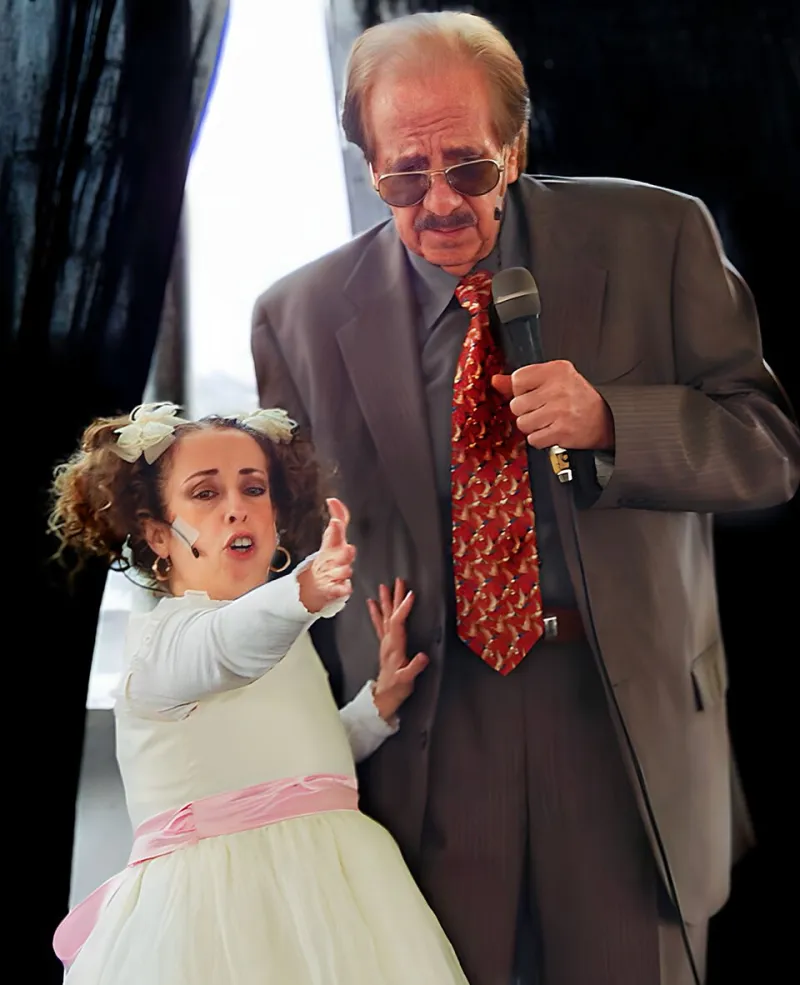
Photo: Miguel Angel Omaña Rojas, CC0, via Wikimedia Commons
There's a text message from my friend Priya that I think about more than most paragraphs I've written for money. It was 1:14 a.m. and I'd sent the group chat a story about a disastrous first date. Before I could even finish typing the follow-up text, she replied with three words: "he's doing his best."
The chat exploded. Four people, forty-seven messages in six minutes, and a punchline none of us saw coming. I lay in the dark laughing the ugly laugh, and somewhere in the back of my brain a tiny editor made a note: that's how you land a tag after a beat.
Nobody Taught Us Timing. The Chat Did.
I've never taken a comedy class. I don't have an improv background. But I have spent — and I did the math and immediately regretted it — thousands of hours in group chats. And if you grew up with a phone in your hand, so have you.
Here's what nobody says out loud: the group chat is an apprenticeship. It's a low-stakes room where you learn, message by message, what lands and what doesn't. You learn that brevity kills. You learn that the person who explains their joke has already lost. You learn that sometimes the funniest thing you can do is not top the last joke, but set up someone else's.
That last one? That's a room-writing skill. Late-night writers' rooms run on it.
Reading Our Own Transcripts Like a Writers' Room
I started going back through old threads — with names changed, because my friends would absolutely disown me — and treating them like table reads. And honestly, the patterns are textbook.
The cold open. My friend Marcus once opened a Tuesday morning with: "update: the pigeon is still outside the DMV and I think we have history now." No context. Perfect. That's an opening scene that trusts the audience to catch up.
The running bit. For three weeks last summer, every time any of us mentioned the beach, someone had to work in the phrase "crimes against sand." Nobody remembers who started it. That's a writers' room tradition as old as The Simpsons — the callback that becomes law.
The rule of three. My friend Dana once texted, in order: "I'm fine." / "I'm fine." / "I have made a huge mistake." I have seen professional sitcom scripts that don't execute that structure any cleaner.
Knowing your audience. This might be the big one. In a chat of eight people, you learn exactly which references work for whom. You develop a mental model of every reader. That's audience awareness — the thing every writing craft book spends chapters on — trained into you by a group chat called "the council" that mostly discusses Trader Joe's.
The Feedback Loop Is Brutal and Beautiful
Here's what makes the group chat a better comedy education than most workshops: the feedback is instant, honest, and completely unfiltered.
In a writing class, people are kind. They say "I love where you're going with this." In the group chat, silence means you bombed. A delayed "lol" means you really bombed. And when something hits — when the typing bubbles stack up three deep because everyone wants in at once — you know it in your bones.
That feedback loop taught me things I use in every draft:
- Cut the throat-clearing. Nobody reads a three-paragraph setup text. Get to the pigeon.
- Rhythm matters. Short message, short message, long message. It's prose compression with a notification sound.
- Leave room. The best chat jokes create space for someone else to spike. The worst ones hog the ball.
- Voice is everything. In a chat, you have no facial expressions, no tone of voice. Just word choice and timing. Every text is a lesson in voice-on-the-page.
Give the Chat Its Flowers
I think there's a real snobbery about this. The assumption is that group chats are where attention goes to die, that texting your friends is somehow lesser than Making Content. But I'd argue the opposite: a generation of writers got their reps in before they ever opened a blank document.
Every person I know who's sharp on the page is sharp in the chat first. The muscles are the same. The chat just happens to be the cheapest, fastest, most forgiving place to build them.
So the next time someone dismisses the hours you spend texting as wasted time, tell them you're in the writers' room. Tell them you're workshopping. And if they still don't get it, send them a screenshot of this essay at 1 a.m. with no context.
They'll laugh. Eventually. The timing just has to be right.